Sweet Signal: How a Common Fruit Sugar May Help Ovarian Cancer Migrate
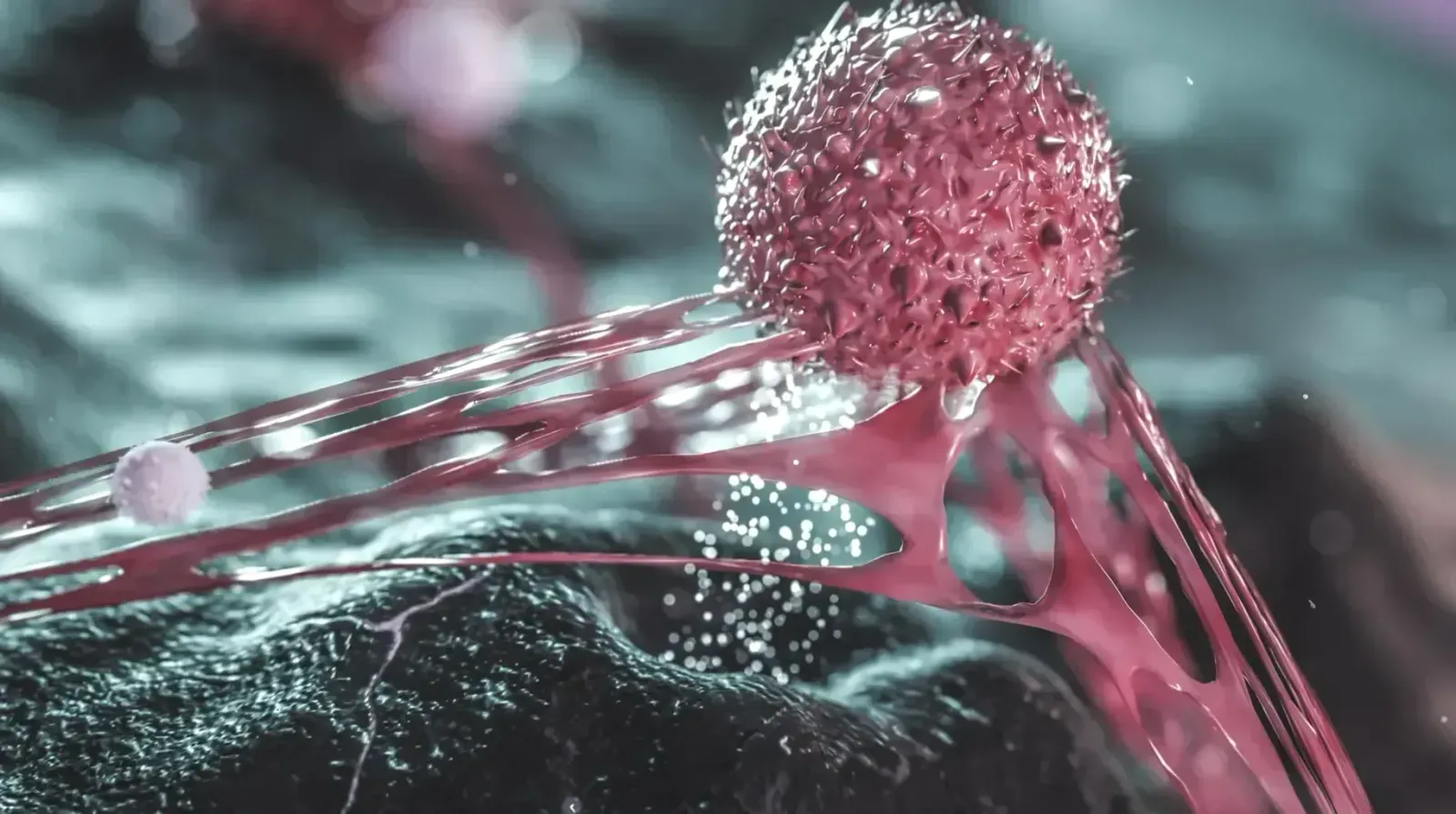
Researchers at The Wistar Institute have uncovered a surprising link between fructose, a sugar found in everything from fresh fruit to processed sodas, and the spread of aggressive ovarian cancer. According to a study published in Nature Aging, certain cancer cells that survive chemotherapy stop dividing but remain biologically active. Instead of multiplying, these dormant survivors release fructose into their surroundings, where it acts less like fuel and more like a chemical messenger telling neighboring tumor cells to break away and migrate.
This discovery sheds light on why ovarian cancer so frequently returns and spreads throughout the abdominal cavity even after initial treatments seem successful. Metastasis is responsible for roughly ninety percent of deaths from this disease, and understanding the trigger that lets cells escape their original site has been a long standing priority for oncologists. By separating surviving cells from the molecules they secrete, the team proved that the chemicals alone were enough to drive the cancer’s movement in preclinical models.
The mechanism behind this migration involves a complex interaction with cholesterol. While typically associated with heart health, cholesterol also serves as a sort of biological glue that keeps cell membranes stable and connected. The researchers found that when fructose enters the picture, it suppresses cholesterol production within neighboring cancer cells. This weakens the bonds holding the tumor together, effectively loosening the grip of the colony and allowing individual cells to detach and travel to other parts of the body.
Perhaps most concerningly, the study suggests that diets high in fructose—similar to those typical of people who consume many sugary drinks—could promote these signals regardless of whether chemotherapy has occurred. However, scientists caution that while these results are significant in laboratory settings, they do not yet prove that eating sugar directly causes cancer spread in humans. Further clinical trials are necessary before doctors can officially recommend dietary changes as a formal strategy to limit metastasis.
This article is for general education only and is not medical advice. Speak with a qualified health professional about your own situation.